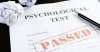
Tag: character disqualification appeals

  • Medical Screenings for Police Officers

    Medical Screenings for Police Officers

    Information on Disqualifications and How to Win

    Police work places extraordinary physical and psychological demands on the people who serve. Agencies like the New York City Police Department evaluate candidates carefully to ensure that future officers can meet those demands safely and reliably. One of the evaluations is medical screening for police officers, and failing to pass a medical screening can result in an NYPD disqualification notice.

    At Disqualification Appeals, Robert B. Kronenberg, Esq., represents police candidates across New York State who face hiring setbacks tied to medical, psychological, and character screening. As a former New York City Police Captain and an experienced disqualification appeal attorney, Kronenberg understands how departments assess risk and how candidates can respond when their careers are suddenly placed in jeopardy.

    In many cases, after any medical screenings for police officers have been completed, medical concerns appear inside a notice of proposed disqualification, often referred to as an NOPD, which signals the department’s intent to disqualify unless the findings are successfully challenged. This guide explains what police medical screenings involve, why candidates may be removed from consideration, and how appeals are handled when medical findings threaten a career in law enforcement.

    What Medical Screenings for Police Officers Involve

    Although standards vary among agencies, most police departments follow similar evaluation models. Medical screening focuses on whether a candidate can safely perform essential job functions and whether underlying conditions pose unacceptable risk during training or active duty.

    The process typically includes review of medical history, physical measurements, diagnostic testing, and functional examinations.

    Medical History Review

    Candidates are asked detailed questions about past and present health conditions, medications, surgeries, injuries, and family medical history. Accuracy and completeness matter. Departments compare written disclosures with testing results and investigative findings, including information uncovered during background checks.

    Omissions or inconsistencies can raise credibility concerns and, in some situations, contribute to a proposed character disqualification alongside medical findings.

    Vital Signs and Physical Measurements

    Departments record height, weight, body composition, blood pressure, heart rate, and other baseline indicators. These measurements are compared to agency-specific thresholds tied to safety and readiness.

    Results outside acceptable ranges do not always trigger immediate removal, but they can prompt further testing or specialist referrals that delay or jeopardize the appointment.

    Vision Testing

    Because officers rely heavily on situational awareness, vision screening plays a central role. Examinations may assess:

    • Color perception
    • Peripheral awareness
    • Visual acuity
    • Presence of eye disease

    Candidates whose results fall short of standards may face medical review or corrective requirements before continuing in the hiring process.

    Hearing Evaluations

    Audiology testing measures hearing sensitivity, infection history, and structural concerns involving the ears. Hearing loss alone does not always lead to disqualification, but it is evaluated alongside every other medical factor when departments assess operational readiness.

    Musculoskeletal and Mobility Exams

    Police work requires strength, coordination, and full use of the body under stressful conditions. Examinations evaluate joints, spine, muscle groups, reflexes, balance, and range of motion.

    Limitations that could interfere with defensive tactics, pursuit situations, or emergency response may trigger medical scrutiny and, in some cases, a proposed determination.

    Blood and Urine Testing

    Laboratory testing screens for metabolic disorders, infectious diseases, cardiovascular risk markers, and substance use. Departments commonly test for conditions such as diabetes, hepatitis, or HIV, as well as prohibited drug use.

    Unexpected findings can lead to temporary holds, further evaluation, or inclusion in a notice of proposed disqualification while the agency seeks additional information.

    Do Medical Findings Always End a Police Career?

    Medical findings don’t necessarily always end a police career before it starts. Departments are generally required to consider applications as a whole. Some medical conditions are manageable, treatable, or temporary. Others may be misinterpreted without context or updated documentation.

    Still, when agencies conclude that a condition creates unacceptable risk, candidates may receive a notice of proposed disqualification (NOPD) that lists medical grounds for removal. That notice opens a narrow window to respond with medical records, specialist reports, testing updates, and legal arguments.

    Medical concerns can also appear alongside psychological findings that lead to a proposed psychological disqualification, or investigative issues that produce a proposed character disqualification. The combination of categories often complicates the appeal strategy and increases the importance of precision in the response.

    Appealing Medical Disqualifications in New York

    When a police candidate is removed from consideration based on health findings, the next steps are governed by civil service rules and strict deadlines. Appeals often require:

    • An analysis of the agency’s stated medical concerns
    • Coordination with your treating physicians or specialists
    • Preparation of written submissions
    • Evaluation of testing standards and protocols
    • Advocacy during administrative review

    At Disqualification Appeals, Robert B. Kronenberg, Esq., brings nearly two decades of legal experience to these matters, along with firsthand insight from his service as a New York City Police Captain. His practice focuses on challenging unjustified determinations and guiding candidates through complex civil service procedures.

    Kronenberg regularly assists applicants who face NYPD hiring setbacks and helps them present the strongest possible case for reconsideration.

    Protecting Your Path to the Police Career You Want

    Medical screening is a critical part of police hiring, but it is not always the final word. When a candidate receives a notice of proposed disqualification, swift and informed action can preserve opportunities that might otherwise disappear.

    If you are pursuing a career with the New York City Police Department or another New York agency and have encountered medical, psychological, or character-related concerns, Disqualification Appeals can help you understand your options and prepare a response that protects your future.

    Call us at 631-234-4434 or contact us online today to schedule a free consultation and learn how Robert B. Kronenberg can help you fight an NOPD and continue moving toward an appointment.


    SOURCE:

    NYPD Online – What to Expect

  • Does the NYPD Test for Weed? The Definitive Answer for Applicants

    Does the NYPD Test for Weed? The Definitive Answer for Applicants

    Does the NYPD test for weed? It’s one of the most misunderstood parts of the NYPD hiring process, especially with the changing cannabis laws across New York City. If you’re applying to become a police officer, this guide provides a definitive breakdown of what you need to know about marijuana testing, past use, and what could affect your application. Led by Robert B. Kronenberg, a former Captain and an experienced NYPD disqualification appeal lawyer, this guide provides insight into the exact rules that apply to candidates today.

    The Short Answer: Yes, the NYPD Drug Test Includes Marijuana for Applicants

    So, does the NYPD test for weed? Yes. They continue to drug test all new applicants for marijuana during the pre-employment process. The NYPD weed testing process is mandatory. While news reports have created confusion, the department’s policy for candidates remains strict. A candidate who tests positive for marijuana will receive an automatic disqualification.

    The Legal Rationale: Why the NYPD Marijuana Testing Policy Differs

    Much of the public confusion stems from New York’s Marijuana Regulation and Taxation Act (MRTA), passed in 2021. This state law and a subsequent memo from the New York City Law Department advised most city agencies to stop pre-employment testing. However, the law includes exceptions for jobs with duties that pose a significant public safety risk. 

    All candidates must undergo the official NYPD drug testing during their medical evaluation to be considered for employment with the department. The NYPD’s rationale is that because a police department requires its officers to carry firearms, they fall under this exception, which is why their strict testing protocols remain in effect.

    Recreational Marijuana Use Is Legal, So Why Can’t a Cop Smoke Weed?

    A common question is “Can cops smoke weed?” and for nearly all major departments, including the NYPD, the answer is no due to strict internal policies and federal law.

    Many candidates are understandably confused; they see that recreational use is legal and assume the answer to “Does the NYPD test for weed?” should be no, but this does not apply to police officers or applicants. 

    The NYPD weed policy is not governed by state labor law alone; it is also subject to stricter internal standards and state and federal law regarding firearms. 

    Therefore, a cop cannot smoke weed, even when off duty. The department’s rules for its uniformed members of the service supersede an individual’s right to use cannabis recreationally.

    How the NYPD Drug Screening Process Works

    For candidates, the drug screening process is a non-negotiable step.

    • When Does the Test Occur? The NYPD drug test is administered as part of your medical evaluation. This typically happens after you have passed the initial civil service exam and are moving forward in the hiring process.
    • What Kind of Test Is It? The department’s drug testing procedures use a standard urine test. This method is effective at detecting recent use of marijuana. Hair samples are not typically used for new recruits.

    What If I Have Used Marijuana in the Past?

    Past legal marijuana use does not automatically disqualify you, but how you handle the question during your background investigation is critical. As a former NYPD Captain, Mr. Kronenberg has seen firsthand that investigators are often more concerned with dishonesty than with minor, past experimental use. Part of demonstrating your current good judgment is showing you understand the department’s strict rules for today. 

    The direct answer to the question “Can NYPD smoke weed?” is a definitive no, as departmental policy strictly prohibits all marijuana use for both applicants and active officers. Lying about past use on your application is almost always treated as a character disqualification, as it speaks directly to a candidate’s integrity.

    What to Do if You Receive a Marijuana-Related Disqualification

    If you are disqualified, you will receive a Notice of Proposed Disqualification (NOPD). This is not the end of the road; it is the beginning of the appeal process. You have a strict 30-day window to challenge this determination.

    An effective appeal requires a detailed legal rebuttal that addresses the department’s findings. This is where an experienced NYPD disqualification appeal lawyer becomes essential. 

    Our firm specializes in handling all types of NYPD disqualification appeals, from the initial NOPD response to formal Article 78 proceedings in court. For a deeper look into this specific issue, read our guide on NYPD weed disqualifications.

    Contact an Attorney for Your Disqualification Appeal

    If you are concerned about the question, “Does the NYPD test for weed?” or have already been disqualified, it is important to act fast. The NYPD policies regarding marijuana are complex and unforgiving.

     If you have concerns about the drug testing policy or have received a notice of disqualification, contact the Law Offices of Robert B. Kronenberg

    Our firm handles the full range of NYPD disqualification appeals, providing expert legal representation for character disqualification appeals, psychological disqualification appeals, and medical disqualification appeals.

    For the latest insights and detailed guides from a former NYPD Captain on the disqualification and appeals process, read our blog.

    Frequently Asked Questions

    Is the NYPD’s Drug Testing Policy the Same Across All Boroughs?

    Yes, the department’s drug testing policy is set at a city-wide level. Whether you are being processed for a command in Manhattan, Brooklyn, the Bronx, Queens, or Staten Island, the same strict standards regarding marijuana use are enforced by the New York City Police Department.

    Can NYPD Officers Smoke Weed Off Duty or in Legal States?

    No. If you are asking, “Can you smoke weed as a cop?” the answer is a clear no, as it violates the standards of conduct and can lead to disciplinary action or termination. Even in legal cannabis states, the department’s drug policy and federal firearm laws prohibit marijuana use. The NYPD’s standards for its uniformed members override state recreational laws, and an officer found to have used marijuana could face disciplinary action.

    What if I Am Disqualified Over Past Marijuana Use?

    You may still be able to appeal. A disqualification based on a misinterpretation of your past use can often be challenged with the right legal strategy. Our office handles NYPD disqualification appeals related to marijuana, honesty concerns, and psychological rejections.

    Sources:

    Related Readings: 

  • Does the NYPD Hire Green Card Holders? The Rules You Need to Know

    Does the NYPD Hire Green Card Holders? The Rules You Need to Know

    Does the NYPD hire green card holders? The NYPD hiring process is strict, and for permanent residents, the answer can determine your future. This guide explains the NYPD’s official position, what roles are available, and how you can stay on track for a law enforcement career. Led by Robert B. Kronenberg, a former NYPD Captain who has represented hundreds of candidates in NYPD disqualification appeals since 2005, our firm provides expert guidance.

    Trying to plan your future in law enforcement? Let’s talk before you apply.

    Can a Green Card Holder Become an NYPD Police Officer?

    Ultimately, the answer to “Can a green card holder become a police officer?” comes down to a clear, non-negotiable requirement. When it comes to law enforcement employment, one of the most significant green card restrictions is the prohibition against becoming a sworn police officer. This is a role that requires the full rights and responsibilities of U.S. citizenship.

    According to the official NYPD recruitment qualifications, “You must be a U.S. citizen at the time of your appointment.” A green card holder is not eligible to be appointed as a full-time, sworn police officer. This is a firm, non-negotiable requirement for all candidates. A green card holder can, however, apply for the NYPD while they are undergoing the citizenship process. They just will not be able to be sworn in until their citizenship is finalized.

    Are There Any NYPD Roles for Green Card Holders?

    The answer to “Can a green card holder join the NYPD in a volunteer capacity?” is yes. You can apply to become an Auxiliary Police Officer, a uniformed, volunteer position available to lawful permanent residents. This allows an NYPD green card holder to contribute to their community while gaining valuable experience as they work toward citizenship. 

    The Auxiliary Police Program is often the source of confusion for those asking, “Does the NYPD hire green card holders?” as it is a uniformed position open to permanent residents. This option is available across all five boroughs: Bronx, Brooklyn, Manhattan, Queens, and Staten Island. This helps candidates build credibility within the NYPD system.

    A Path Forward: How Green Card Holders Can Prepare for the NYPD

    The current answer to “Does the NYPD hire green card holders?” is no. However, for anyone who wants to become a sworn officer, the most important step you can take to change that outcome is to begin the U.S. citizenship process.

    1. Apply for U.S. Citizenship: This is the key eligibility step. You must be naturalized before your appointment date to get hired.
    2. Join the Auxiliary Program: This volunteer role lets you demonstrate interest, commitment, and discipline to the police department.
    3. Stay Disqualification-Free: Maintain a clean record. Misrepresenting your immigration status or history during any official application process can lead to a character-based disqualification.

    Unsure whether your status or history might cause problems later? Contact us before your NYPD assessment begins.

    What to Expect When You Become Eligible

    Once you become a U.S. citizen, you can begin the NYPD’s full hiring process. This includes written, medical, psychological, and background evaluations. Your prior residency status won’t be an issue, but any dishonesty about it could still come up. You will also need to provide a police clearance for green card holders as part of your background file.

    How We Help

    Robert Kronenberg helps applicants navigate not just disqualifications, but the risk factors that lead to them. If you are preparing to apply or have received a Notice of Proposed Disqualification (NOPD), our office can review your situation and help protect your eligibility. A skilled NYPD disqualification appeal lawyer can make all the difference.

    Start Your Path to the NYPD With the Right Legal Help

    The answer to “Does the NYPD hire green card holders?” is no. However, if you want to become a sworn officer, you can still prepare your application the right way. A lawful permanent resident, such as a green card holder, may apply to the NYPD and go through portions of the hiring process, such as exams and preliminary steps.

    U.S. citizenship is required at the time of appointment, which is the point at which the candidate is sworn in as a police officer. A green card holder cannot be sworn in until they have become a U.S. citizen. The wrong step, especially with background disclosures, can disqualify you before you’re even eligible. Let us help you plan for a successful career.

    Contact our office directly at 631-234-4434 or submit your case details online to discuss your situation. For more expert insights on the hiring process, psychological disqualification appeals, character disqualification appeals, and medical disqualification appeals, and how to protect your candidacy, read our blog.

    Frequently Asked Questions About NYPD Green Card Eligibility

    Here are answers to some of the most common questions from candidates hoping to join the NYPD with a green card.

    Can I Lie About My Citizenship Status if I’m Close to Naturalization?

    Never lie! Misrepresenting your status or omitting key facts can result in a character disqualification during the background investigation. Always disclose the truth, even if your naturalization is not yet complete. Honesty is a critical part of the evaluation.

    What Happens if I Apply Before I’m a Citizen?

    You will not pass the initial eligibility screening and may risk having your file flagged for future applications. It is best to wait until you have proof of naturalization and then begin your application properly to avoid any unnecessary complications.

    Can I Join Any Other Departments in NY With Just a Green Card?

    Most police departments in New York State follow similar guidelines, requiring U.S. citizenship for paid, sworn officer positions. A few may have different standards for civilian or part-time roles, including volunteer, unpaid members of the NYPD, such as the Auxiliary Police. The authority of such positions is limited, and the NYPD supervises the roles.

    Will Past Immigration Issues Disqualify Me After I Get Citizenship?

    Past immigration issues can possibly disqualify you after you get citizenship, especially if they involved dishonesty or legal violations. These issues may appear in your DCAS file or federal background screening. It is important to have an experienced attorney review your risk profile before you apply to the New York City Police Department.

    Related Readings:

  • How Much Does the NYPD Pay? Salary, Ranks & Benefits in New York City

    How Much Does the NYPD Pay? Salary, Ranks & Benefits in New York City

    Understanding NYPD Salary and Career Growth

    If you’re considering a law enforcement career in New York City, it helps to know what the NYPD salary really looks like and how that income grows with experience. The New York Police Department offers structured pay increases, steady promotions, and one of the most comprehensive benefits packages in the city.

    However, candidates must stay eligible through every stage of the hiring process. Medical, psychological, or character reviews can affect when you start earning or move up the ranks.

    At Disqualification Appeals, we help NYPD applicants address disqualification risks before they interfere with career progression.

    Robert Kronenberg leads our team and guides applicants through each review so eligibility issues do not slow their progress. If you’re in the middle of the hiring process, now is the right time to verify your eligibility. Contact us today for a free NYPD disqualification review.

    Base Salary and Starting Pay for NYPD Officers

    Public pay charts help applicants compare the NYPD officer salary to other city agencies when planning a career path.

    NYPD Starting Salary (2025 Update)

    According to NYPDRecruit.com, the NYPD police salary for new recruits begins at about $55,000 per year. Officers earn automatic raises through step increases that occur over five and a half years. By that time, total compensation (including holiday pay, uniform allowance, and standard raises) can reach roughly $109,000 per year.

    Officers are also eligible for overtime, shift differentials, and longevity pay. These additions often make the actual annual income significantly higher than the base rate.

    Early-career officers stationed in the Bronx or Queens typically earn more due to heavier overtime demand and larger precinct staffing needs.

    Rank-Based Salaries Across the Police Department

    Salary Growth by Rank: From Sergeant to Captain

    Promotions through NYPD ranks bring consistent salary increases. Verified PayScale and union data show that experienced officers earn:

    • NYPD sergeant salary: around $97,000–$134,000 per year
    • NYPD lieutenant salary: typically $120,000–$145,000 per year
    • NYPD captain salary: often between $140,000–$165,000 per year

    Public disclosures list the NYPD commissioner’s salary separately from union ranks so readers do not confuse leadership compensation with officer pay. Each rank reflects years of service, ongoing training, and internal performance evaluations. Borough assignments can also influence total compensation, with Manhattan and Brooklyn precincts offering more frequent overtime opportunities.

    Most applicants search for NYPD ranks and salary to understand how promotions change base pay, overtime opportunities, and pension outcomes. If you’re aiming for promotion, remember that maintaining clear eligibility ensures you don’t lose time (or pay) waiting for background or fitness issues to resolve.

    Detective Pay and Specialty Roles in the NYPD

    Detectives progress through three grades, with salaries verified by the Detectives’ Endowment Association for 2025:

    • Detective 3rd Grade: approximately $119,980 per year
    • Detective 2nd Grade: approximately $134,819 per year
    • Detective 1st Grade: approximately $154,751 per year

    Each Grade represents a combination of investigative experience and seniority. Detectives in major crime or narcotics units often earn more through consistent overtime, night shifts, and case-related bonuses.

    Officers promoted into investigative divisions must pass updated background checks before each appointment. Keeping eligibility intact ensures a smooth move into these higher-paying roles.

    Benefits, Retirement, and Overtime Opportunities

    Beyond base pay, NYPD benefits are among the most comprehensive in New York civil service. Officers can expect a wide range of support that includes full health insurance coverage for themselves and eligible dependents. They also gain access to a defined benefit pension plan that becomes available after twenty years of service. Education support is offered through tuition reimbursement and deferred compensation options. Time off and essentials are covered too, since officers receive paid vacation, sick leave, and uniform allowances.

    Independent reports often group total compensation under NYPD salaries to track trends over time, including overtime and benefits. After two decades of service, an officer can retire with roughly half their final salary and retain medical benefits for life. For many, overtime, emergency response assignments, and special events add tens of thousands of dollars to annual income. Some officers earn $150,000 or more each year through extra duty.

    How Disqualifications Can Delay or Block Salary Progression

    Candidates who face issues during their background review can temporarily lose eligibility for promotion or appointment. Common challenges include:

    Each of these can delay entry into the department or prevent salary advancement until an appeal is completed. Our firm assists applicants in resolving these cases quickly, ensuring they remain eligible to receive full NYPD rank pay.

    If you believe a disqualification could affect your hiring timeline, it’s best to act before DCAS finalizes your review. Schedule your free eligibility consultation.

    Local Experience Across New York City

    Our team has guided NYPD applicants across all five boroughs and surrounding Long Island communities. Whether you’re applying from Queens, starting over after a review in Brooklyn, or finalizing documentation in Nassau County, we understand how DCAS and the Civil Service Commission process each file.

    Local experience matters. Every borough has its own investigative volume and applicant flow, and knowing those differences helps ensure your case moves faster through review. We’ve helped New Yorkers at every stage (medical, psychological, and character) regain eligibility and keep their career plans on track.

    Frequently Asked Questions

    What Is the NYPD Starting Salary in NYC?

    The NYPD salary in NYC for a new recruit begins at about $55,000 per year. Within five and a half years, officers can earn over $109,000 in base pay plus overtime, bonuses, and allowances.

    How Much Do Detectives and Supervisors Earn?

    Detectives typically earn between $119,980 and $154,751, depending on Grade. Supervisors such as sergeants, lieutenants, and captains average between $97,000 and $165,000 annually, with total income rising through overtime and specialized duties.

    Can Disqualifications Affect Pay Eligibility?

    Yes. Candidates may temporarily lose eligibility if they receive a medical, psychological, or character disqualification. Completing an appeal promptly ensures you stay qualified for hiring and promotion.

    Take the Next Step Toward Your NYPD Career

    Your NYPD salary in NYC only begins once eligibility is confirmed. If a review or background issue is holding up your progress, resolving it early makes all the difference.

    We’ve helped hundreds of New York candidates clear disqualifications, complete appeals, and return to the NYPD hiring process with confidence.

    Get your free eligibility review today! For more insights on NYPD pay, benefits, and appeal timelines, read our blog.

    Disclaimer

    This content is for informational purposes only. Salary and benefit amounts may vary by contract, assignment, or year. Always verify rates through official NYPD or union sources before applying.


    Additional Sources: 

    https://www.payscale.com/research/US/Employer=New_York_Police_Department_(NYPD)/Salary

  • Mental Health Resources for NYPD Members

    Mental Health Resources for NYPD Members

    NYPD officers face unique challenges that can impact their mental well-being. The high-stress nature of police work, plus exposure to traumatic incidents, contributes to anxiety, depression, and post-traumatic stress disorder (PTSD).

    Access to mental health resources is essential. It ensures officers receive the support they need to maintain their well-being and perform their duties effectively. Disqualification Appeals understands the importance of mental health care and how it can impact an officer’s career.

    What Mental Health Resources Are Available for NYPD Officers?

    NYPD members have access to a variety of mental health resources. This includes internal department services and external programs designed specifically for law enforcement personnel. The NYPD offers peer support networks, crisis intervention teams, and wellness programs. These programs were created to assist officers in managing job-related stress.

    Additionally, officers can access independent mental health professionals who specialize in working with first responders. Many of these services provide confidential support, ensuring that officers feel safe seeking help without fear of career repercussions.

    Officers can also benefit from specialized workshops that focus on stress management, emotional resilience, and effective coping strategies. These sessions, often led by mental health professionals experienced in working with law enforcement, help officers process their experiences. They also help the officers develop techniques for managing on-the-job stress more effectively.

    How Can NYPD Officers Access Confidential Counseling?

    Confidentiality is a critical aspect of mental health care. This is especially true for law enforcement officers who may fear stigma or job-related consequences. The NYPD Employee Assistance Unit (EAU) provides free, confidential counseling services to officers and their families.

    Additionally, organizations such as CopLine offer 24/7 crisis hotlines staffed by retired officers. Their experience helps them understand the challenges of the job. Independent therapy options are also available. These sessions allow officers a greater degree of privacy.

    For officers looking for more flexibility, online counseling platforms that cater to law enforcement provide another form of support. These services enable officers to connect with licensed therapists via video calls or messaging. Being online makes it easier to access professional help discreetly and on their own schedules.

    Why Is Mental Health Support Important for NYPD Members?

    Policing in a city as dynamic as New York presents significant psychological challenges. Officers routinely encounter high-pressure situations, from violent crimes to large-scale emergencies. Without proper mental health care, these experiences can lead to burnout, substance use, and long-term psychological distress.

    Mental health resources help officers to be more resilient, have better decision-making skills, and they also help them maintain their ability to serve the public safely and effectively.

    Recognizing the emotional toll of police work, some departments have started integrating mindfulness training and stress-reduction techniques into their professional development programs. Teaching officers how to manage stress before it escalates can lead to better mental health outcomes. It can also help with overall job satisfaction.

    What Programs Help NYPD Officers Manage Stress?

    The NYPD offers several stress management initiatives designed to support officer wellness. The department’s peer support program connects officers with colleagues trained to provide emotional support and guidance.

    Mindfulness and resilience training programs teach officers techniques for managing stress and improving overall well-being. Fitness and wellness initiatives, including exercise programs and nutrition guidance, also play a crucial role in promoting mental health. By using these programs daily, officers can better cope with the demands of the job.

    Some officers also find relief in alternative stress management techniques. These techniques can include yoga, meditation, and breathing exercises. Each of these methods has been shown to help reduce anxiety and improve focus. Providing access to these resources helps officers develop personalized stress management strategies tailored to their unique needs.

    Are There PTSD Resources Specifically for NYPD Officers?

    PTSD is a significant concern for law enforcement officers, particularly those who have experienced traumatic events on duty. The NYPD provides access to trauma-informed therapists who specialize in treating first responders.

    Officers with PTSD can seek support through organizations such as Blue H.E.L.P.. This organization focuses on suicide prevention and mental health advocacy for law enforcement personnel. Crisis intervention services and structured therapy programs help officers process trauma and develop coping strategies to mitigate its effects.

    Support groups for officers with PTSD provide a community where individuals can share their experiences. They can also find additional coping strategies in a safe environment. These groups allow officers to connect with others facing similar challenges, fostering a sense of understanding and representation.

    Get the Support You Need With Disqualification Appeals

    Mental health evaluations can sometimes lead to disqualifications that impact an officer’s career. Disqualification Appeals specializes in psychological, character, and medical disqualifications, helping law enforcement professionals challenge unfair decisions. Attorney Robert B. Kronenberg, Esq. has extensive experience assisting NYPD officers with the appeals process. If you need guidance on protecting your career, contact us online or call 631-234-4434 for a consultation.

  • The Thin Blue Line – Police and Mental Health

    The Thin Blue Line – Police and Mental Health

    Police officers face immense challenges on the job, from responding to high-stress situations to witnessing traumatic events. These experiences can take a significant toll on mental health, affecting both job performance and personal well-being.

    Addressing mental health in law enforcement is critical for maintaining officer wellness and ensuring public safety. Disqualification Appeals understands the importance of mental health evaluations and how they can impact an officer’s career.

    Why Is Mental Health Important for Police Officers?

    The nature of police work exposes officers to high levels of stress, trauma, and unpredictable danger. Over time, untreated mental health issues can lead to burnout, anxiety, depression, and even post-traumatic stress disorder (PTSD). 

    Poor mental health can also affect decision-making, reaction times, and relationships with colleagues and the community. Prioritizing mental health helps officers remain effective in their roles while improving their overall well-being.

    What Mental Health Challenges Do Police Officers Face?

    Police officers frequently encounter traumatic situations, such as violent crimes, fatal accidents, and life-threatening encounters. These experiences can result in cumulative stress that appear as post-traumatic stress disorder (PTSD), anxiety disorders, depression, emotional exhaustion, and substance use as a coping mechanism.

    Sleep disorders and chronic fatigue are also common among officers who experience prolonged exposure to high-stress situations. Unfortunately, often, the stigma surrounding mental health in law enforcement prevents officers from seeking the support they need.

    Many officers struggle with hypervigilance, a state of heightened alertness that makes it difficult to relax even when off duty. This can lead to chronic stress, affecting both their personal and professional lives.

    The unpredictable nature of police work also contributes to emotional detachment, as officers may suppress emotions to remain composed in difficult situations. Over time, these coping mechanisms can negatively impact mental well-being, relationships, and overall job satisfaction.

    How Can Police Departments Support Officer Mental Health?

    Law enforcement agencies play a crucial role in fostering a culture of mental wellness. Departments can support officers by implementing mental health training programs that educate personnel on stress management and resilience. Encouraging peer support networks allows officers to openly discuss challenges with colleagues who understand their experiences. 

    Confidential counseling services ensure that officers have access to professional mental health resources without fear of repercussions. Additionally, routine mental health screenings help detect and address concerns before they escalate, improving both officer well-being and workplace morale.

    Departments should also prioritize family support initiatives, as the impact of a police officer’s stress extends beyond the workplace. Programs that involve families in mental health awareness can help create a stronger support system at home, making it easier for officers to manage stress.

    Providing supervisors with training on recognizing signs of mental health struggles can also enhance early intervention efforts and create a healthier work environment.

    What Resources Are Available for Police Mental Health?

    Several organizations and programs provide mental health support for law enforcement personnel. The National Alliance on Mental Illness (NAMI) offers mental health resources and support groups, while CopLine operates a confidential crisis hotline for officers needing immediate assistance.

    The Fraternal Order of Police (FOP) provides wellness programs and mental health training. Many agencies offer Employee Assistance Programs (EAPs) to support their personnel, including the Employee Assistance Unit at the NYPD. These resources help officers manage stress, address trauma, and seek professional help when needed.

    For officers seeking a more individualized approach, some organizations provide specialized therapy tailored to the unique experiences of law enforcement personnel. Programs like resiliency training and stress debriefing sessions can equip officers with tools to better handle the psychological demands of their jobs.

    How Does PTSD Affect Law Enforcement Officers?

    PTSD is a common yet often overlooked issue among police officers. Constant exposure to traumatic events can lead to intrusive thoughts, flashbacks, and emotional distress. Officers experiencing PTSD may struggle with hypervigilance, difficulty sleeping, and avoidance behaviors.

    Left untreated, PTSD can have serious consequences on an officer’s career, relationships, and quality of life. Seeking professional help, engaging in therapy, and utilizing peer support can significantly improve an officer’s ability to cope with PTSD. Agencies that prioritize PTSD awareness and treatment help create a healthier work environment for their personnel.

    PTSD can also manifest in physical symptoms, such as chronic headaches, muscle tension, and digestive issues. These physiological responses to stress can further impact an officer’s ability to function effectively on the job. Addressing PTSD through early intervention and evidence-based treatments can help officers regain stability and continue serving their communities with confidence.

    Protecting Your Career With Disqualification Appeals

    Mental health evaluations can sometimes lead to disqualifications, affecting an officer’s ability to serve. Disqualification Appeals specializes in psychological, character, and medical disqualifications, helping law enforcement professionals challenge unfair decisions. Attorney Robert B. Kronenberg, Esq. has extensive experience assisting officers with the appeals process. If you need guidance on protecting your career, contact us online or call 631-234-4434 for a consultation.

  • What Is a Police Psychiatrist?

    What Is a Police Psychiatrist?

    Police psychiatrists play a vital role in supporting the mental well-being of law enforcement officers. These professionals specialize in evaluating and treating officers facing psychological challenges due to the high-stress nature of their jobs. Ensuring officers are mentally fit helps maintain public safety and supports a healthier work environment. Disqualification Appeals understands the importance of these evaluations and how they impact careers in law enforcement.

    What Does a Police Psychiatrist Do?

    A police psychiatrist conducts mental health assessments, provides treatment plans, and determines whether an officer is psychologically fit for duty. Their responsibilities often include fitness-for-duty evaluations, crisis intervention, and counseling services. 

    These professionals help law enforcement agencies address concerns related to trauma, burnout, and post-incident mental health issues. Additionally, they provide guidance on handling the mental impact of officer-involved shootings and other high-stakes incidents.

    How Is a Police Psychiatrist Different From a Psychologist?

    While both police psychiatrists and psychologists focus on mental health, there are key differences between the two. Psychiatrists are medical doctors who can diagnose mental health conditions and prescribe medication, whereas psychologists primarily provide therapy and behavioral assessments.

    In law enforcement, psychiatrists often work alongside psychologists to provide comprehensive mental health care. Psychiatrists are also called upon to testify in legal cases involving law enforcement mental health assessments.

    Why Do Police Officers Need Psychiatric Evaluations?

    Police officers encounter stressful and potentially traumatic situations daily. Psychiatric evaluations help determine whether an officer can handle the pressures of the job effectively. These assessments may be required after a critical incident, as part of a routine mental health check, or when an officer exhibits signs of emotional distress that could impact their performance. Regular evaluations can also help prevent burnout and reduce the risk of mental health crises.

    When Is a Police Psychiatric Evaluation Required?

    Several circumstances may warrant a police psychiatric evaluation. Officers may need an evaluation following a high-stress event, such as a shooting or use-of-force incident. Some agencies also require mental health screenings before hiring new officers or when an officer returns from extended leave.

    These evaluations help ensure that law enforcement personnel can perform their duties safely and effectively. In some cases, an officer’s peers or supervisors may request an evaluation if they observe concerning behavior.

    What Role Does a Police Psychiatrist Play in Fitness-for-Duty Evaluations?

    Fitness-for-duty evaluations are a critical aspect of a police psychiatrist’s role. These evaluations help determine whether an officer is mentally and emotionally capable of carrying out their responsibilities. If an officer is deemed unfit, a psychiatrist may recommend treatment, counseling, or even temporary leave to address underlying issues before they can return to duty.

    Ensuring officers meet mental fitness standards helps protect both the officer and the public. Departments rely on these evaluations to maintain high professional standards and prevent workplace incidents.

    How Can Police Departments Improve Mental Health Support?

    Beyond psychiatric evaluations, police departments can take proactive steps to support officer mental health. Implementing peer support programs, encouraging open discussions about mental health, and providing ongoing counseling services can all contribute to a healthier work environment.

    Having accessible mental health professionals within law enforcement agencies can help officers manage stress before it reaches a critical point. Regular training and workshops on mental resilience can also be beneficial.

    What Qualifications Does a Police Psychiatrist Have?

    Police psychiatrists undergo extensive training before working with law enforcement agencies. They must earn a medical degree, complete a psychiatry residency, and obtain board certification in psychiatry.

    Many also receive specialized training in forensic psychiatry, which focuses on the intersection of mental health and the legal system. Their expertise allows them to provide critical support tailored to the unique challenges of law enforcement work. Some psychiatrists also receive certification in trauma-informed care to better assist officers experiencing PTSD.

    Get Expert Help With Your Police Psychiatric Evaluation

    Navigating a police psychiatric evaluation can be complex, especially if it leads to a disqualification. Disqualification Appeals specializes in psychological, character, and medical disqualifications, helping officers appeal unfair decisions and protect their careers.

    Attorney Robert B. Kronenberg, Esq. has extensive experience in law enforcement disqualification cases and can guide you through the appeals process. Contact us online or call 631-234-4434 for a consultation.

  • NYPD Exam: Failing Psychological Testing

    NYPD Exam: Failing Psychological Testing

    At Disqualification Appeals, we understand how the NYPD oral psych exam is integral to the selection process. It evaluates candidates’ psychological readiness to handle the responsibilities and stresses of police work. This NYPD exam ensures that all NYPD officers are mentally able to perform their duties effectively, ethically, and safely. 

    Failing the NYPD oral psych exam can feel like a setback for anyone looking to be part of New York’s finest. This NYPD entrance exam is a crucial step in the NYPD hiring process. It assesses a candidate’s psychological status. It also helps the NYPD determine the person’s ability to handle the demanding role of a police officer. 

    What happens if you have found yourself in this situation? Many choose to address the issue and potentially reverse these decisions through psychological disqualification appeals. In this blog, we’ll explore the steps you can take to address a failed NYPD oral psych exam. We also review how you can strengthen your appeal with the help of an experienced NYPD disqualification appeal lawyer.

    Understanding the NYPD Oral Psych Exam and Why Candidates Fail

    The NYPD oral psych exam is a large component of the police selection process.

    This exam evaluates a candidate’s psychological readiness. It also determines their ability to handle the stresses and responsibilities of law enforcement work.

    Failing doesn’t mean you’re unfit or unqualified for all police work. The exam shows where further testing or skills development might be necessary.

    Among the various reasons why candidates might not pass the oral psych exam are:

    • Giving responses that suggest difficulty in handling stress.
    • Being unable to cope with the demands of law enforcement.
    • Concerns about judgment and decision-making abilities.

    Why Do Candidates Fail?

    Candidates can fail the oral psych exam for various reasons. These reasons include demonstrating a lack of understanding of the job’s psychological demands and showing potential for poor stress management. Recognizing the specific areas of concern can help you prepare for an appeal or take other steps. 

    Steps to Take After Failing

    If you’ve failed the oral psych exams, there are steps you can take, including:

    Request a Detailed Review

    Obtain as much information as possible about the reasons for your disqualification. Understanding the specifics will guide your next actions and appeal. Review any feedback provided by the NYPD regarding your exam. Reflect on your responses and consider areas where your responses might have been misunderstood by the people processing them.

    Seek Professional Guidance and Consider an Appeal

    Consult with an NYPD disqualification appeal lawyer. Consulting with a lawyer can provide clarity and direction. An NYPD disqualification appeal lawyer can offer invaluable advice on the appeal process. They specialize in character disqualification appeals, NYPD psychological disqualification appeals, and more, providing the expertise needed to challenge the decision effectively.

    A skilled NYPD disqualification appeal lawyer, like Robert Kronenberg, Esq., can offer invaluable advice on how to proceed. If the exam result does not illustrate how you are an ideal candidate for the NYPD, an appeal might be the right next step. 

    Gather Supporting Documentation

    Collect documentation that supports your appeal. This documentation includes letters of recommendation, evidence of past achievements, or records of psychological evaluations by licensed professionals. An NYPD disqualification appeal lawyer can help you. They will highlight your strengths and address any areas of concern raised during the NYPD police officer exam.

    Consider Retesting

    You might qualify to retake the oral psych exam. This qualification depends on the NYPD’s policies and the effectiveness of your NYPD disqualification appeal lawyer. The process could involve further psychological testing or presenting evidence of mitigating circumstances.

    Preparing for Your Appeal

    Working with our team, you’ll receive personalized guidance. We’ll help you effectively communicate your readiness and ability to fill the role of an NYPD officer. Our guidance might include evidence of previous employment stability, character references, or professional psychological assessments.

    At Disqualification Appeals, we can:

    • Help you navigate the complex appeals process.
    • Advocate for you through the process on your behalf. 
    • Present a compelling case for your being well-suited for the NYPD.

    We will start by helping you prepare your initial appeal letter. We continue our aid until we represent you in any hearings or interviews and everything in between. Working with an experienced attorney specializing in NYPD Psychological Disqualification Appeals and Disqualification Appeal New York can significantly strengthen your appeal.

    Appeal the Decision With Disqualification Appeals

    Though you failed the NYPD oral psych exam, this isn’t the end of your law enforcement career aspirations. Use the right approach along with support from experts. Then, you can make a strong case for your candidacy.

    At Disqualification Appeal New York, our specialty is assisting candidates who have faced setbacks in becoming NYPD officers, including when they fail an NYPD exam. Our dedicated police disqualification attorney has extensive experience with NYPD character disqualification and psychological disqualification appeals.

    We understand the ins and outs of the NYPD’s evaluation process. Our understanding is why we are committed to helping you present the strongest possible appeal.

    Failing the NYPD oral psych exam is undoubtedly challenging, but it’s not the end of the road. With the right approach and expert support, you can get beyond this. To follow your dream of becoming an NYPD officer, you need to address the issues raised and appeal the decision.

    Have professionals at your side while you navigate the appeal process. If you’ve failed an NYPD police exam and are considering an appeal, contact us online today or call us at 631-234-4434.

    Our team is ready to assist you with your NYPD psychological disqualification appeal. Together, we can work towards overturning your disqualification and moving closer to your goal of joining the NYPD. Let us help you turn this setback into a stepping stone towards your future in law enforcement.

    Reapplying After a Denial: What You Need to Know

    Did you fail the NYPD oral psych exam but have your disqualification appealed successfully? If so, you might be wondering whether you can reapply and what steps are necessary. As long as the formal disqualification process is complete and the appeals and review process has concluded, you can begin a new application. Ensuring the formal disqualification process is complete helps confirm that any issues or concerns raised during the initial evaluation won’t need to be readdressed.

    What Are the Next Steps?

    When reapplying, there are certain steps you will need to repeat, while others may not be necessary. For instance, you will need to submit a new application with all required documentation and prepare for psychological testing again, as this is a critical part of the hiring process. Additionally, parts of the background check, such as updating your employment history or personal information, will also need to be revisited.

    However, depending on NYPD policy and how much time has passed since your initial application, some steps might not need to be repeated. 

    Physical and Academic

    Physical or academic qualifications may remain valid if they were completed recently and meet current standards, and certain prior documents, such as transcripts or certifications, may still be on file.

    Show Improvement

    It is important to address the factors that led to your disqualification to strengthen your reapplication and demonstrate meaningful improvement. 

    Seeking additional psychological evaluations to highlight readiness and growth can be beneficial, as can gathering new letters of recommendation or character references. Enrolling in stress management or professional development courses may also demonstrate your commitment to self-improvement. Taking these steps can help position you as a stronger candidate when reapplying.

    Reapply

    Reapplying after a denial may feel daunting, but with careful preparation and the right support, it is possible to succeed. Robert B. Kronenberg of Disqualification Appeals is an attorney experienced in NYPD disqualifications. He and his team can guide you through the process, ensuring that you are fully prepared and that your reapplication addresses any previous concerns.

    Whether you are taking the first steps toward a disqualification appeal or your appeal is complete, and you are ready to reapply, the team at Disqualification Appeals is here to help.


    SOURCE:

    NYC – Police Office Hiring FAQs

  • Psychological Test for Police Officers: What You Need to Know

    Psychological Test for Police Officers: What You Need to Know

    Psychological screenings are an essential component of the hiring process for law enforcement agencies across the United States, including the NYPD. A psychological test for police officers is a process that ensures that candidates are mentally and emotionally prepared to handle the responsibilities and challenges of a police officer’s role. These tests, combining elements from multiple evaluations, help identify traits and behaviors that align with the demands of law enforcement. Below, Disqualification Appeals explores the critical aspects of psychological screening, its purpose, and what candidates can expect.

    The Purpose of Psychological Screening for Police Officers

    The primary purpose of psychological screening is to evaluate a candidate’s suitability for a career in law enforcement. Unlike common misconceptions, these tests are not designed to measure a candidate’s sanity but rather their ability to manage the stresses and responsibilities inherent in police work. Agencies aim to ensure that only those with the necessary emotional stability, decision-making skills, and integrity are selected.

    The screening process assesses various attributes, such as impulse control, stress tolerance, judgment, and dependability. For example, police officers often encounter high-pressure situations requiring quick thinking and calm decision-making. Screening helps identify candidates who can handle these scenarios effectively, thereby reducing risks to public safety and improving overall departmental performance.

    Key Components of the Screening Process

    Psychological screenings generally include several stages to provide a comprehensive evaluation of the candidate’s mental and emotional readiness. While specific processes may vary by department, the following components are common.

    Written Assessments

    Candidates complete standardized tests that evaluate personality traits, cognitive abilities, and emotional stability. These exams often include multiple-choice questions and surveys designed to measure traits such as honesty, courage, and ability to tolerate stress.

    Interviews with Psychologists

    Licensed psychologists conduct one-on-one interviews to delve deeper into a candidate’s background, motivations, and experiences. These interviews assess behavioral patterns, coping mechanisms, and the ability to interact professionally with diverse populations.

    Scenario-Based Evaluations

    Some agencies use scenario-based questions to gauge how candidates would respond to specific challenges. For instance, candidates might be asked how they would handle a high-pressure situation or de-escalate a conflict.

    Misconceptions About Psychological Screenings

    One of the most common myths about a psychological test for police officers is that failing it means a person is deemed “insane” or unfit for any career. In reality, failing the screening is only an indicator that a candidate’s traits or behaviors might not align with the requirements of police work. For example, excessive impulsivity or difficulty managing stress could lead to disqualification, but these traits might not hinder success in other professions.

    Another misconception is that psychological screenings are entirely subjective. While interviews and observations do involve professional judgment, standardized assessments and evidence-based practices ensure that the evaluations remain fair and consistent.

    Preparation Tips for Psychological Screening

    Candidates can take several proactive steps to improve their readiness for psychological screening:

    Understand the Role

    Familiarize yourself with the responsibilities and challenges of being a police officer. Reflect on how your personality and experiences align with these demands.

    Practice Stress Management

    Develop techniques such as mindfulness, exercise, or counseling to manage stress effectively. These practices can help demonstrate resilience during evaluations.

    Seek Feedback

    Consider obtaining a pre-assessment from a licensed psychologist to identify areas for improvement. Having an assessment available can help address potential concerns before the official screening.

    What Happens If You Fail the Screening?

    Failing a psychological screening does not necessarily mark the end of your aspirations to become a police officer. Many departments allow candidates to appeal the decision or reapply after a designated period. There are a few steps a candidate can take if they fail the screening.

    Request Feedback

    Obtain detailed information about why the disqualification occurred. This insight can help guide your next steps.

    Address Concerns

    Work on any areas highlighted as problematic, such as stress management or decision-making skills. Engaging in therapy or professional development can demonstrate your commitment to self-improvement.

    Consult an Expert

    An experienced attorney specializing in disqualification appeals can help you navigate the process and build a strong case for reconsideration.

    How Disqualification Appeals Can Help

    If you’ve faced a psychological disqualification, Disqualification Appeals offers the expertise and support needed to challenge the decision effectively. Led by attorney Robert B. Kronenberg, our team specializes in helping candidates overcome psychological, character, and medical disqualifications.

    We understand the intricacies of the NYPD hiring process and are committed to guiding you every step of the way. From preparing appeal letters to representing you in hearings, we ensure that your case is presented with clarity and professionalism.

    Contact Disqualification Appeals today to learn how we can assist you in pursuing your dream of becoming a police officer. With the right preparation and support, you can turn a setback into a stepping stone toward success.


    SOURCE:

    NYPD – What to Expect from the Application Screening Process

  • Can You Become a Police Officer With PTSD?

    Can You Become a Police Officer With PTSD?

    For individuals with post-traumatic stress disorder (PTSD), pursuing a career in law enforcement may seem daunting. PTSD, a mental health condition triggered by traumatic events, can affect an individual’s emotional well-being, decision-making, and stress management. Naturally, candidates with PTSD may wonder whether their condition will disqualify them from joining the police force, especially an agency like the NYPD.

    Below, Disqualification Appeals explores whether you can become a police officer with PTSD, the types of PTSD that may affect eligibility, and steps applicants can take to improve their chances of success.

    What Is PTSD?

    Post-traumatic stress disorder (PTSD) develops in individuals who have experienced or witnessed a traumatic event, such as combat, abuse, or a life-threatening accident. Symptoms of PTSD often include flashbacks, anxiety, hypervigilance, and difficulty concentrating. There are several types of PTSD, each with varying impacts on an individual’s mental health:

    • Acute PTSD: Symptoms last less than three months.
    • Chronic PTSD: Symptoms persist for longer than three months.
    • Complex PTSD: Arises from prolonged trauma, often involving abuse or neglect.
    • Comorbid PTSD: Occurs alongside other mental health disorders, such as depression or anxiety.

    Understanding these distinctions is important when evaluating how PTSD may affect one’s suitability for a career in law enforcement.

    Can You Become a Police Officer With PTSD?

    The short answer is yes. Having PTSD does not automatically disqualify you from becoming a police officer. However, the condition must be well-managed, and it should not impair your ability to perform the essential duties of the role. Law enforcement agencies, including the NYPD, require all candidates to undergo psychological evaluations as part of the hiring process. These evaluations assess mental fitness, including the ability to handle stress, make sound decisions, and interact effectively with the public.

    For applicants with PTSD, agencies will evaluate whether the condition is under control through treatment, such as therapy or medication. Demonstrating effective coping mechanisms and a stable mental state is crucial to passing the psychological evaluation.

    How Does PTSD Affect Law Enforcement Work?

    Police work involves high-pressure situations that can exacerbate PTSD symptoms, such as hypervigilance or difficulty managing stress. Officers must remain calm and focused during emergencies, interact with diverse communities, and handle emotionally charged situations. PTSD could pose challenges in these areas if not properly managed.

    However, many individuals with PTSD develop resilience and coping strategies that make them highly effective in stressful environments. For example, therapy and stress management techniques can help applicants prepare for the demands of the job.

    Steps to Take If You Have PTSD

    If you have PTSD and aspire to become a police officer, there are proactive steps you can take to strengthen your application:

    • Seek Professional Treatment: Work with a licensed therapist or counselor to manage your symptoms effectively. Consistent treatment demonstrates your commitment to mental health.
    • Document Your Progress: Keep records of your treatment and progress, including any evaluations from mental health professionals. This documentation can be valuable during the hiring process.
    • Develop Coping Mechanisms: Techniques such as mindfulness, exercise, and stress reduction can improve your ability to manage PTSD symptoms in high-stress situations.
    • Be Honest and Transparent: Disclose your condition during the application process and explain how you manage it. Attempting to conceal PTSD can lead to disqualification if it is discovered later.
    • Consider a Pre-Application Evaluation: An independent psychological evaluation can help identify areas for improvement and provide evidence of your fitness for duty.

    Types of Psychological Disqualifications

    While PTSD itself is not an automatic disqualification, candidates may be deemed unfit for duty if their condition severely impairs their ability to perform essential job functions. Common psychological disqualifications in law enforcement include:

    • Untreated or severe anxiety disorders
    • Impulsivity or poor decision-making
    • Inability to handle criticism or adapt to high-pressure environments

    By addressing these concerns proactively, applicants can improve their chances of success.

    What to Do if You Receive a Psychological Disqualification

    Now you know the answer to, “Can you become a police officer with PTSD?” This means you also know if you receive a psychological disqualification due to PTSD or another condition, you have the right to appeal. Agencies like the NYPD often allow candidates to challenge disqualifications by providing additional documentation or undergoing independent evaluations. Consulting with a professional specializing in psychological disqualification appeals can significantly improve your chances of overturning the decision.

    How Disqualification Appeals Can Help

    At Disqualification Appeals, Robert B. Kronenberg, Esq., and his team specialize in helping applicants navigate the complexities of psychological, character, and medical disqualification appeals. Our experienced team understands the unique challenges faced by candidates with PTSD and can guide you in presenting a strong case for your fitness to serve in law enforcement.

    If you’ve received a psychological disqualification, don’t give up on your dreams. Contact Disqualification Appeals online today to learn how we can help you take the next step toward your career goals. With the right support and preparation, you can overcome these challenges and achieve your dream of serving your community.