Tag: character disqualification appeals

  • Can You Be a Police Officer With Epilepsy?

    Can You Be a Police Officer With Epilepsy?

    There are various medical conditions a person can or cannot have if they want to join the police force. If you have experienced seizures due to a medical condition, you might be curious to find out, “Can you be a police officer with epilepsy?”

    Epilepsy is a condition that affects the brain and causes repeated seizures. However, having epilepsy does not automatically disqualify someone from becoming a police officer. No federal laws exist that bar people with epilepsy from working as police officers or in other law enforcement officer (LEO) jobs. Federal civil rights law and many state laws may protect your right to work in these professions.

    Disqualification Appeals provides more information about the ability to join the force if you have epilepsy.

    Do All Police Departments Have the Same Requirements?

    It’s important to note that some private organizations recommend that law enforcement officers meet certain medical requirements as a precondition for employment. These requirements, which may exclude many people with epilepsy, have been adopted by many police departments across the country. However, this does not imply that the requirements are consistent from department to department.

    The most important aspect is whether the individual can perform the job’s essential functions with or without reasonable accommodation. Reasonable accommodations for officers with epilepsy may include a specific period where:

    • Shift changes or working part-time are necessary.
    • The officer must take breaks regularly.
    • The officer might have certain tasks temporarily reassigned until their seizures are under control.

    While epilepsy may present challenges, it does not necessarily disqualify someone from serving in law enforcement. Each case gets evaluated individually. Those responsible for these evaluations consider factors such as the type of seizures, their frequency, and the specific demands of the job. If you or someone you know is considering a career in law enforcement and has epilepsy, it may be beneficial to consult with an NYPD disqualification appeal lawyer for guidance. Remember, everyone has the right to pursue their career aspirations, including those with epilepsy.

    Can You Be a Police Officer With the NYPD With Epilepsy?

    You can be a police officer with the NYPD if you have epilepsy, but it will depend on the severity and management of your condition. In addition to any pre-existing medical conditions, you must meet the medical standards set by the department. The NYPD will perform a physical examination and determine your overall fitness for the role. Do you have well-controlled epilepsy? Is your condition stable? Does this condition not interfere with your duties? If you can show how you can safely perform the job’s essential functions, it should not prevent you from becoming a law enforcement officer with the NYPD.

    Remember that the NYPD has various yet specific medical standards that candidates must meet. The department will conduct a thorough medical examination to confirm the applicant’s current health status and ensure compliance. They will also review the candidate’s medical history to ensure they can perform any required tasks safely. Another important review includes evaluating whether the person has been seizure-free for a significant period.

    Any person with epilepsy should disclose that they are following medicine management instructions provided by a trained epilepsy specialist and are effectively using seizure rescue medication or new seizure medications to manage their condition. This information will support their case during the evaluation process.

    Should you be served a medical disqualification notice from the NYPD, hope remains. A knowledgeable NYPD disqualification appeal lawyer can assist in challenging any unjust disqualification based on your medical condition.

    When Is a Seizure a Medical Emergency for an NYPD Officer?

    A seizure is considered a medical emergency for an NYPD officer if it lasts longer than five minutes, multiple seizures occur without full recovery in between, or it is the officer’s first seizure. Other signs of a medical emergency include difficulty breathing, sustained unconsciousness, or injury during the seizure. Immediate medical attention is required to prevent complications and ensure the officer’s safety.

    As an NYPD Officer, What Happens if You Miss a Dose of Seizure Medication?

    Missing a dose of seizure medication as an NYPD officer can increase the risk of having a seizure. Doing so can be particularly dangerous in high-risk law enforcement situations. It is crucial to strictly adhere to your medication regimen and consult your healthcare provider if you miss a dose.

    You might need emergency seizure medication in case of breakthrough seizures. Having a plan in place can help manage such situations effectively.

    Do Police Lights Cause Seizures for NYPD Officers With Epilepsy?

    Police lights, particularly flashing lights, can trigger seizures in NYPD officers with photosensitive epilepsy. This condition affects a small percentage of people with epilepsy and can be managed by avoiding known triggers and using seizure rescue medication if necessary.

    In addition to police lights, other sources of flashing or flickering lights, such as strobe lights, video games, television screens, and certain visual effects in movies, can trigger seizures in individuals with photosensitive epilepsy.

    If you have photosensitive epilepsy and are pursuing a career with the NYPD, it is important to discuss this with your healthcare provider and the NYPD to find suitable accommodations.

    What Can Prompt an Epileptic Seizure?

    A variety of factors can prompt an epileptic seizure. Individuals with epilepsy need to understand their specific triggers.

    Here are some common items or situations that can cause an epileptic seizure:

    Stress and Anxiety

    High levels of stress and anxiety are common triggers for seizures. Stressful situations or those that cause anxiety, whether related to work, personal life, or other factors, can increase the likelihood of a seizure.

    Lack of Sleep

    Sleep deprivation or poor-quality sleep can significantly increase the risk of seizures. Maintaining a consistent sleep schedule and ensuring adequate rest is crucial for individuals with epilepsy.

    Alcohol and Substance Use

    Alcohol and recreational drugs can lower the seizure threshold, making seizures more likely. Even moderate alcohol consumption can be a trigger for some individuals with epilepsy.

    Hormonal Changes

    Hormonal fluctuations, such as those occurring during menstruation, pregnancy, or menopause, can influence seizure frequency and severity in some individuals.

    Medication Non-Compliance

    Missing doses or abruptly stopping seizure medication can lead to breakthrough seizures. Taking medicines as prescribed and consulting a healthcare provider before making any changes is essential.

    Illness and Fever

    Infections, fever, and other illnesses can trigger seizures, especially in individuals with a history of seizures during childhood.

    Certain Foods and Beverages

    In some cases, specific foods and beverages, such as those containing caffeine or artificial sweeteners, can trigger seizures. It is important to identify and avoid any dietary triggers.

    Flashing Patterns or Geometric Shapes

    Patterns of light and dark, such as those created by striped or checkerboard patterns, can trigger seizures in photosensitive individuals. Such pattern triggers are often found in everyday objects, including clothing, wallpaper, or computer screens.

    Overexertion and Physical Activity

    Intense physical exertion or strenuous exercise can sometimes trigger seizures. It is important to find a balance between staying active and avoiding overexertion.

    Bright or Flickering Computer Screens

    Prolonged exposure to computer screens, especially those with bright or flickering displays, can be a trigger for some individuals. Using screen filters and taking regular breaks can help mitigate this risk.

    Specific Sounds or Music

    In rare cases, certain sounds or types of music can trigger seizures. Identifying and avoiding these auditory triggers is essential for those affected.

    Understanding and managing these potential triggers can help individuals with epilepsy reduce the frequency and severity of their seizures. Working closely with healthcare providers to develop a comprehensive management plan is key to maintaining a high quality of life while living with epilepsy.

    How Can You Cope With Epilepsy as an NYPD Officer?

    Coping with epilepsy as an NYPD officer involves a combination of medical management, lifestyle adjustments, and support. It is crucial to ensure that you take your medication as prescribed and attend regular follow-ups with your healthcare provider. Incorporating stress-reduction techniques, maintaining a healthy diet, and getting sufficient sleep can help lower seizure thresholds. Support groups and counseling can also provide emotional support and practical advice for managing the condition effectively in a law enforcement environment.

    Prevent a Disqualification While You Prevent a Seizure

    Having an epilepsy diagnosis might make becoming a law enforcement officer more challenging, but by no means is it impossible. If you applied for the NYPD and received a medical disqualification notice due to having epilepsy or for another medically-related reason, Disqualification Appeals is here to give you more information and assistance with your appeal. You can contact us online or call us at 631-234-4434

    If the NYPD served you a notice of disqualification, which could be a medical disqualification, psychological disqualification, or character disqualification, Robert B. Kronenberg of Disqualification Appeals might be able to help. With information on medical conditions and your rights regarding disqualification notices, we can get you working toward the NYPD career you’ve always wanted.


  • Reasons to Be a Police Officer

    Reasons to Be a Police Officer

    Why Consider a Career in Law Enforcement?

    Choosing a career as a police officer can be one of the most rewarding decisions you’ll ever make. The role not only offers a chance to significantly impact society but also provides a unique blend of challenges and rewards. If you’re contemplating a career in law enforcement and seeking reasons to take the plunge, Disqualification Appeals New York created this blog. In it, we will explore the top reasons to be a police officer while highlighting the personal and professional benefits of the badge.

    What Is a Good Reason to Be a Police Officer?

    One of the most compelling reasons to become a police officer is the opportunity to make a tangible difference in your community. Police officers are critical in maintaining public safety, reducing crime, and ensuring justice. They are often seen as community pillars, providing help during some of the most challenging times. Whether it’s through deterring crime, helping victims of accidents, or engaging in community outreach programs, the impact of a dedicated officer is profound and far-reaching.

    Personal Fulfillment and Job Satisfaction

    For many, policing is a calling. Many officers are drawn to the profession due to a deep-seated desire to help others and serve their community. The daily satisfaction that comes from knowing you are keeping people safe and improving their quality of life is a powerful motivator. Moreover, the variety of tasks and challenges faced each day means no two days are ever the same, keeping the role exciting and personally fulfilling.

    Stability and Benefits

    A career in law enforcement offers considerable job security and stability. This can be a significant draw in uncertain economic times. Additionally, police officers benefit from comprehensive health benefits, generous retirement plans, and possible early retirement. Many departments also provide opportunities for overtime, which can significantly increase an officer’s earnings.

    Career Growth and Opportunities

    Law enforcement careers are known for their structured growth and promotional opportunities. Officers have clear paths for advancement, from patrol officer to detective, sergeant, and beyond. For those with a drive for continuous learning, the NYPD and other departments frequently offer training and professional development courses, allowing officers to specialize in areas such as forensic analysis, cybercrime, or SWAT operations.

    Facing Challenges and Building Character

    The day-to-day challenges of policing help to build resilience and character. Officers learn to manage stress, think critically under pressure, and communicate effectively with diverse populations. These skills are not only essential for policing. They are also transferable to many other fields, making them valuable life lessons.

    Community Engagement and Respect

    Police officers often enjoy a unique relationship with the community they serve. This connection can be incredibly rewarding, as officers work closely with residents to solve problems and improve neighborhood safety. The respect and appreciation from such interactions can be one of the most rewarding aspects of the job.

    Is Law Enforcement Right for You?

    If you have reasons to be a police officer and are motivated to make a difference, crave job stability, and seek opportunities for growth and personal development, becoming a police officer could be your ideal path. At Disqualification Appeals, we understand that becoming an officer can be challenging, especially if you face hurdles like NYPD disqualifications.

    Our experienced team, including an NYPD disqualification appeal lawyer, is here to support you through appeals for character, medical, or psychological disqualifications. Don’t let setbacks deter you from pursuing your dream. Contact Disqualification Appeals online today to schedule a consultation. If you prefer, call us at 631-234-4434 for personalized support tailored to your unique situation. 

    Let Disqualification Appeals help you get back on track to the career that you want.

  • How Can You Become A Cop in the NYPD After the Military?

    How Can You Become A Cop in the NYPD After the Military?

    Examining The Transfer from Military to Police Officer 

    At Disqualification Appeals, we know that once you are part of the armed services, departing from it can feel like leaving family behind. But now that you have retired or left the military, even if you served 20 years, you could be younger than 40. This means you might be considering a new career path. Have you ever wondered, “How can you become a cop in the NYPD after the military?” If so, this blog outlines what you need to know about making this career shift.

    Transitioning from military to police work is a commendable journey. Joining the New York Police Department (NYPD) after military service offers a distinct pathway into law enforcement. Veterans have an advantage over civilians because of the many skills and disciplines developed in the armed forces.

    Will Joining the Military Help Me Become a Cop?

    The experience gained in the military can be incredibly valuable when applying to the NYPD. Veterans often bring vital skills such as leadership, discipline, and a strong sense of duty, which align well with police work. The process for joining the NYPD after military service is somewhat streamlined to acknowledge these competencies.

    Meeting the Basic Requirements

    To become a police officer in the NYPD, candidates must meet specific criteria. These include a minimum and maximum age limit, proper education, and residency requirements.

    The NYPD offers certain age exemptions for veterans. While the typical age limit for applying is 35, veterans can extend this limit by adding the number of years they served in the armed services, capped at six years. This means a veteran’s oldest age to still meet the basic application requirements is 41. This number can vary depending on the person’s age and length of service.

    Educational Requirements

    Civilian candidates must have at least 60 college credits with a 2.0 GPA. However, the college credit requirement is waived if you have two years of active military service with an honorable discharge. This provision allows veterans without the typical college credits to qualify based on their service experience.

    Is It Easier to Become a Cop After the Military?

    Military service can significantly benefit your application and training process in the NYPD:

    Valued Skills and Experience

    Skills, including tactical operations, weapons training, and crisis management, are directly transferable and highly valued in police work. Moreover, the disciplined environment of the military prepares candidates well for the structured nature of police academy training.

    Does Military Rank Transfer to Police?

    While military rank does not directly transfer to the NYPD, the leadership and operational skills acquired can accelerate career advancement after joining the police force. Veterans, who often must manage tense situations, are often well-prepared for leadership roles within the department.

    Preparing for the NYPD Police Academy

    When looking into how can you become a cop in the NYPD after the military, there are still many steps you will need to take. Veterans looking to join the NYPD must still pass the New York City Civil Service Exam. Also known as the Police Officer Exam, this is required for all candidates. This exam evaluates various skills, including problem-solving, memory, and situational judgment.

    Police Academy Training

    Police academy training involves rigorous physical and educational training lasting approximately six months. Though veterans often find the physical requirements familiar, they should prepare themselves for the necessary comprehensive academic and legal training.

    Leveraging Military Training

    Utilizing your military training in physical fitness and operational tactics can give you an edge in the academy. Veterans transitioning into the NYPD or similar police forces are often well-prepared regarding discipline, physical conditioning, and tactical skills. However, adapting to the civilian nuances of law enforcement is crucial. Such nuances former members of the armed services can face include legal and constitutional constraints and being responsible for a diverse range of responsibilities. Understanding and navigating these differences successfully is essential for veterans looking to make the most of their skills in a new, civilian-focused context.

    NYPD and Military Integration

    The NYPD values the unique experience that military veterans bring to the force. Programs and support systems are in place to assist veterans in transitioning from military service to a career in law enforcement, recognizing the alignment of skills and the transition challenges that may arise.

    If you’re a veteran considering a career with the NYPD, you no longer need to wonder, “How can you become a cop in the NYPD after the military?” Generally speaking,  your military service provides a strong foundation for a successful transition. And if you are wondering, “Can military police become police officers?” the answer to this is a resounding yes.

    Transitioning from the military to the NYPD is more than feasible. In fact, the department encourages this path. With proper preparation and understanding of the process, veterans can effectively leverage their military skills to serve and protect as members of the NYPD.

    Disqualification Appeal’s Goal Is to Not Leave Any Man or Woman Behind

    If you face disqualification during your NYPD application process, whether for medical, psychological, or character reasons, consulting with an NYPD disqualification appeal lawyer, like ours at Disqualification Appeals, can be crucial. We specialize in assisting candidates, including veterans, in navigating these appeals effectively. We represent those facing character disqualification appeals, NYPD psychological disqualification appeals, and even medical disqualification appeals.

    To address any disqualification concerns, or if you have other appeals-related questions, do not hesitate to contact us online or call us at 631-234-4434. You can receive the expert guidance you need from Disqualification Appeals.

  • What GPA Do You Need to Be a Police Officer?

    What GPA Do You Need to Be a Police Officer?

    Embarking on a career in law enforcement is a commendable goal. However, many aspiring police officers wonder about the academic qualifications required. Specifically, many ask, “What GPA do you need to be a police officer?” This blog will explore the typical GPA requirements for police officers, the importance of academic performance in the hiring process, and how Disqualification Appeals can assist if you face hurdles due to your educational background.

    GPA Requirements for Police Officers

    The GPA requirement to become a police officer can vary significantly from one department to another. While some police departments might require only a high school diploma or GED, others may demand a certain level of college education, typically an associate’s degree or, in some cases, a bachelor’s degree. Typically, the common GPA requirement for those departments requiring college credits hovers around a 2.0 on a 4.0 scale. However, having a higher GPA can be beneficial as it reflects well on your academic discipline and intellectual capabilities, traits highly valued in law enforcement.

    The educational requirements for the NYPD are slightly different from those of other departments. To qualify for the NYPD, candidates must have 60 college credits with a minimum 2.0 GPA from an accredited institution or two years of full-time active military service. This requirement ensures that all recruits have a solid educational foundation or valuable military experience, contributing to their preparedness for the demands of police work. The GPA threshold 2.0 is considered a baseline, and achieving a higher GPA can be advantageous. It demonstrates a higher level of academic achievement. It can reflect a candidate’s ability to handle complex situations and decision-making processes, which are critical skills in law enforcement.

    How Important Are Good Grades?

    Good grades often reflect a candidate’s work ethic and ability to learn and apply complex information, making them key traits for a police officer. Departments that require college credits view education as a crucial component in preparing officers for the challenges of the job. You don’t want to only meet the minimum standards. This is why higher grades can enhance your prospects in competitive selection processes.

    Addressing Common Questions and Concerns

    Do You Need Good Grades to Be a Police Officer?

    While not all departments have stringent GPA requirements, good grades can improve your chances of advancing in competitive application processes. They demonstrate your ability to handle the academic aspects of police training and work, such as understanding laws and preparing reports.

    What Grades Do You Need to Be a Police Officer?

    Generally, if a department specifies educational requirements, aspiring officers are expected to have a minimum GPA of 2.0. However, to stand out in the selection process, aspiring officers should aim for the highest GPA possible.

    The Role of Disqualification Appeals

    Navigating the complexities of meeting NYPD or other departmental standards can be daunting, especially if there are concerns about your educational qualifications. Disqualification Appeals can assist if you find yourself disqualified or facing hurdles due to academic performance. Whether it’s addressing issues related to NYPD disqualification or preparing for reapplication, our experienced team, including NYPD disqualification appeal lawyers, is here to help.

    Services We Offer

    Disqualification Appeals specializes in assisting candidates with NYPD psychological disqualification appeals, character disqualification appeals, and medical disqualification appeals. We understand the nuances of civil service requirements. This enables us to provide expert guidance and representation to help you overcome barriers to your law enforcement career.

    You’ve Got the GPA, Now Get Disqualification Appeals to Help

    Becoming a police officer is a noble pursuit that requires a blend of physical, mental, and academic readiness. While the specific GPA requirement can vary, maintaining good grades is generally beneficial. 

    You can now answer, “What GPA do you need to be a police officer?” For those facing disqualifications or needing assistance with the complexities of the application process, Disqualification Appeals New York stands ready to support your journey. If you need guidance or representation, don’t hesitate to contact us online or call us at 631-234-4434 for expert assistance in achieving your law enforcement career goals.

  • What Is a Civil Service Law Enforcement Exam?

    What Is a Civil Service Law Enforcement Exam?

    A Civil Service Law Enforcement Exam is a standardized test that potential candidates must pass to qualify for positions in various law enforcement agencies, including police departments, sheriff’s offices, and state law enforcement organizations. This exam is part of the civil service system, which ensures that hiring, promotion, and other personnel processes are fair and based on merit rather than personal connections or other non-merit factors. If you are looking to answer, “What is a civil service law enforcement exam?” Disqualification Appeals is here to help.

    We will begin by explaining what this test is. The civil service exam assesses skills and knowledge essential for law enforcement roles. This can include reading comprehension, problem-solving, memory, situational judgment, and reasoning abilities. It can also test a candidate’s knowledge of laws, regulations, and general police procedures. The aim is to determine whether candidates have the intellectual and psychological capabilities required to perform effectively and responsibly in a law enforcement capacity.

    If you want to join the NYPD, passing the civil service law enforcement exam is one of the first steps in the hiring process. The exam scores usually determine a candidate’s placement on an eligibility list, from which departments select individuals for further evaluation and potential employment. You should be prepared. In addition to these questions, there will be other assessments such as physical fitness tests, psychological evaluations, and background checks.

    Does the NYPD Require Candidates to Take a Civil Service Law Enforcement Exam?

    Candidates of the NYPD are required to take a civil service law enforcement exam. This exam is a crucial part of the selection process for becoming a police officer in New York City. Known as the Police Officer Entrance Exam, it is designed to assess the cognitive abilities, decision-making skills, and personality traits necessary for effective performance in law enforcement roles.

    The NYPD’s entrance exam evaluates several competencies, including problem-solving, memory, reading comprehension, and data interpretation. The exam aims to ensure that candidates have the basic skills required to undergo further training at the police academy and to perform the duties of a police officer effectively.

    Those candidates who pass the exam are placed on an eligibility list, and their scores determine their rank on this list. Higher scores improve a candidate’s chances of being called for further assessments, which include physical tests, medical exams, psychological evaluations, and background checks. The hiring process is competitive and structured to select individuals who demonstrate the potential to uphold the law and serve the community as members of the NYPD.

    Specifics to Know About the NYPD Police Officer Entrance Exam

    Now that we’ve answered, “What is the civil service law enforcement exam?” you likely have more questions. Below, the experts at Disqualification Appeals have gathered some of the most frequently asked questions related to the NYPD Police Officer Entrance Exam. Continue reading to learn what you can expect if you sign up to take this test.

    How many questions are on the NYPD exam?

    The exam consists of 100 multiple-choice questions.

    What is an NYPD exam passing score?

    The passing score for the NYPD exam is 70 out of 100. Candidates must achieve at least this score to be considered eligible for further processing in the recruitment stages.

    Is the NYPD test verbal, written, or a combination of both?

    The NYPD Police Officer Entrance Exam is primarily a written test administered by the Department of Citywide Administrative Services (DCAS) for New York City. The exam assesses a range of abilities, including reading comprehension, memory, problem-solving, and data interpretation, which are crucial for effective law enforcement duties.

    Is There a Specific Grade Which Is Considered Passing?

    Regarding scoring, candidates must achieve a passing mark to be considered for further processing. The NYPD does not publish a specific passing score publicly, as the passing threshold can vary depending on the specific exam and the competitive scoring system used. Typically, exams are scored on a scale, and a minimum score is set that candidates must meet or exceed to pass.

    How are the exam results used?

    Once the exam is scored, candidates are ranked based on their performance. This ranking becomes crucial as it determines the order in which candidates are called for further assessments in the hiring process. High scorers are placed higher on the eligibility list, giving them a better chance of advancing through the rigorous selection process, which includes additional assessments like physical tests, medical exams, psychological evaluations, and background checks. This structured approach ensures that only the most qualified candidates make it to potential appointments as NYPD officers.

    When was the most recent NYPD civil service exam?

    The most recent NYPD civil service exam was held on February 8, 2024.

    When is the next NYPD Civil Service Exam?

    The NYPD provides opportunities to take the civil service exam, also known as the Police Officer Entrance Exam, throughout the year. The Department of Citywide Administrative Services (DCAS) releases a civil service exam schedule annually every July and also publishes a monthly exam schedule. For the most current information and upcoming exam dates, prospective candidates can subscribe to the NYC Jobs Newsletter. With this, they will receive updates on exam schedules and other city job opportunities​​. Regarding the next NYPD test, this has not yet been scheduled.

    What Is the NYPD Recruitment Process?

    The NYPD recruitment process is a comprehensive, multi-step procedure designed to assess the suitability of candidates for roles within the New York Police Department. Here’s an overview of the typical stages involved:

    Civil Service Exam

    Candidates must first register and pass the NYPD Police Officer Entrance Exam, which tests cognitive abilities and personality traits relevant to police work. They are generally first given a written civil service exam, which tests their cognitive skills and knowledge pertinent to police work.

    List number and initial ranking

    After the exam, candidates receive a list number based on their scores. This ranking determines the order in which they are processed.

    Physical agility test

    This test evaluates candidates’ physical fitness to ensure they can handle the job’s physical demands. It can include running, jumping, sit-ups, push-ups, and other physical tasks.

    Medical assessment

    Candidates undergo a thorough medical examination to ensure they meet the role’s required health standards. This includes vision, hearing tests, and a general physical exam.

    Psychological assessment

    Candidates undergo psychological testing, which includes written tests and a follow-up interview with a psychologist. This helps to assess their mental fitness and emotional stability for police duties.

    Background investigation

    A detailed background check is conducted, including checking criminal records, previous employment, education, and character references. Candidates must demonstrate integrity and a clean legal record.

    Character assessment

    Investigators conduct in-depth interviews to assess candidates’ personality traits, integrity, and moral and ethical standards. This process may include interviews with acquaintances and family members to verify or gain insight into the candidate’s character.

    Drug screening

    All potential recruits are tested for illegal substance use.

    Hiring and appointment

    Successful candidates who pass all stages are offered a position in the NYPD Academy.

    Police Academy training

    Once successfully passing the initial stages, candidates are admitted to the Police Academy for training. This rigorous training, which typically lasts around six months, covers the law and law enforcement techniques, behavioral science, physical training, NYPD protocols, and practical skills necessary for policing.

    Probationary period

    After graduating from the academy, new officers typically undergo a probationary period. During this time, their performance and adaptation to the role are closely monitored and evaluated.

    Throughout the recruitment process, candidates must demonstrate the necessary skills, physical fitness, moral integrity, and psychological stability to handle the policing responsibilities in New York City. Each stage of the process is specifically designed to ensure that only the most suitable candidates are selected to serve as NYPD officers, upholding the department’s integrity, discipline, and community service standards.

    Secure Your Future With Expert Guidance

    Navigating the process of becoming an NYPD officer, from preparing for the civil service law enforcement exam to understanding the recruitment stages, can be daunting. At Disqualification Appeals, we understand the intricacies of these challenges and are here to support your journey.

    Our expert team, led by our NYPD disqualification appeal lawyer Robert Kronenberg, Esq., specializes in helping candidates overcome various NYPD disqualifications, including NYPD character disqualifications, medical disqualifications, and psychological disqualifications. With our team by your side, you can get back on track to smoothly transition through each step of the NYPD hiring process.

    If you need advice on handling a disqualification notice or require professional representation during appeal proceedings, Disqualification Appeals is your dedicated partner. We bring years of experience and a thorough understanding of NYPD procedures to ensure that every candidate receives fair treatment and the best possible chance to overcome these obstacles.

    Take the First Step Toward Your NYPD Career

    Don’t let a disqualification notification deter you from pursuing your dream. Contact Disqualification Appeals today to schedule a consultation. We’re ready to help you with your NYPD recruitment process and provide the guidance you need to prepare effectively for your future in law enforcement.

    Reach out to us online or call us at 631-234-4434 for personalized support tailored to your unique situation. Let us help you turn your aspirations of serving as an NYPD officer into reality.

  • Age Requirement for Police Officer: NYPD Rules Explained

    Age Requirement for Police Officer: NYPD Rules Explained

    When candidates begin looking into a career in law enforcement, one of the first questions they ask is about the age requirement for police officer roles. For those focused on the New York City Police Department, the answer is not limited to a single number. Age affects when you can apply, when you can be appointed, how long you can serve, and what happens at the end of your career.

    At Disqualification Appeals, we work with candidates navigating the NYPD hiring process, including those who receive a Notice of Proposed Disqualification (NOPD) and need clarity on eligibility. Age requirements are often misunderstood, especially when combined with civil service rules, military exceptions, and retirement policies.

    In some cases, age can directly impact whether a candidate is considered eligible or becomes subject to a proposed disqualification, particularly when timing or eligibility thresholds are misapplied. Understanding the rules can help you make informed decisions at every stage.

    What Is the Minimum Age to Become an NYPD Police Officer?

    The minimum age for police officer candidates in the NYPD is tied to appointment, not just testing. While candidates may begin the process earlier and take the written exam before they are fully eligible, they must be at least 21 years old to be appointed as a police officer.

    Within the NYPD hiring process, eligibility is determined at the point of appointment, not initial interest or exam registration. Misunderstanding this timing can lead to delays or complications during the review process.

    What Is the Maximum Age to Apply for the NYPD?

    The standard maximum age for candidates in the NYPD is 35 years old at the time of the civil service exam. This is the baseline rule applied to most applicants.

    There are important exceptions. Candidates with qualifying military service may receive an age extension, often adding up to six years, depending on service history. This allows some candidates to remain eligible into their late thirties or early forties.

    There have also been discussions about expanding the maximum age further. These changes are not always applied consistently, so 35 remains the safest benchmark. Candidates applying near the upper limit should pay close attention to how eligibility is calculated, since misunderstandings can lead to a Notice of Proposed Disqualification.

    Does Age Affect When You Apply or When You Are Appointed?

    Age requirements for police officers in the NYPD are evaluated based on when you are officially considered for appointment, not simply when you submit an application or take an exam.

    A candidate must meet both minimum and maximum age requirements at the appropriate stage of the process. Timing is critical. An otherwise qualified candidate can lose eligibility if they exceed age limits before appointment or fail to properly apply for an eligible extension.

    This is one of the most common areas where confusion creates risk. Candidates close to the maximum age should track their timeline carefully within the NYPD hiring process to avoid unintended disqualification.

    Do All NYPD Positions Have the Same Age Requirements?

    Not all roles within the NYPD follow the same age requirement standards. Strict age limits apply to uniformed police officers who are subject to civil service rules and physical readiness expectations.

    Civilian positions operate differently. Administrative, technical, and support roles do not follow the same maximum age limits and are governed by standard New York City employment policies. In some cases, candidates who are no longer eligible for uniformed roles may still qualify for civilian positions within the department.

    What Is the Mandatory Retirement Age for NYPD Officers?

    Uniformed officers in the NYPD are subject to a mandatory retirement age of 63. Officers are generally required to retire by their 63rd birthday, regardless of rank.

    There have been proposals to increase this age to 65, but the current standard remains 63. Mandatory retirement policies are designed to maintain performance standards in physically demanding roles. This requirement applies specifically to uniformed personnel and does not extend to all positions within the department.

    Can NYPD Officers Retire Earlier Than 63?

    Many officers do not remain on the force until the mandatory retirement age. The NYPD allows retirement after approximately 20 to 22 years of service, depending on the pension structure. Early retirement is based on years of service rather than age alone.

    Because of this, it is common for officers to retire in their forties or fifties. This system provides flexibility while still allowing access to pension benefits.

    Can Officers Work Beyond the Mandatory Retirement Age?

    For most uniformed roles, working beyond the mandatory retirement age is not typical. Officers are generally required to retire at 63.

    Limited situations may allow continued involvement. These are not standard and, while possible, they should not be relied on as a long-term plan.

    What Happens After Mandatory Retirement From the NYPD?

    Mandatory retirement marks the end of active duty, but not the end of a professional career. Many NYPD officers transition into new roles after leaving the department.

    Retired officers typically receive pension benefits based on years of service, salary history, and plan structure. These benefits provide financial stability during the transition.

    Many former officers pursue second careers, while others remain involved in their communities through advisory or volunteer roles. This transition is a recognized part of the career path rather than a sudden endpoint.

    Frequently Asked Questions About Age Requirements for Police Officers

    What is the age requirement for police officer roles in the NYPD?

    The age requirement to be an NYPD officer includes being at least 21 years old at the appointment and a maximum age of 35 at the time of the exam. Military service may allow for a maximum-age extension.

    What is the youngest age you can join the NYPD?

    Candidates for the NYPD must be at least 21 years old to be appointed. Candidates can take the exam earlier, but cannot begin service until they meet this requirement.

    What is the oldest age to become an NYPD police officer?

    The standard maximum age to become an NYPD police officer is 35 at the time of the civil service exam. Military service may extend eligibility depending on individual circumstances.

    Can you become a police officer later in life?

    In some jurisdictions, yes. In the NYPD, eligibility to join the force depends on meeting the defined age limits or qualifying for an extension.

    Do police age requirements vary by state?

    Yes. Age requirements vary by department and jurisdiction. Some agencies allow entry at 18 or 21. The NYPD follows specific civil service rules.

    What is the retirement age for NYPD police officers?

    The mandatory retirement age for the NYPD  is currently 63, with discussions about increasing it to 65.

    Can NYPD officers retire early?

    Yes. NYPD officers may retire after approximately 20 to 22 years of service, which allows many to leave active duty well before age 63.

    Understanding How Age Affects Your NYPD Eligibility

    Age plays a role at every stage of an NYPD career, from initial eligibility to retirement. For candidates navigating the NYPD hiring process, especially those facing a Notice of Proposed Disqualification, understanding these requirements is essential.

    At Disqualification Appeals, we assist candidates in reviewing their eligibility and determining how to move forward. Whether the issue involves timing, extensions, or eligibility thresholds, these factors can directly influence a disqualification outcome and can make a meaningful difference in how you approach your next step. It doesn’t matter if you are facing a proposed medical disqualification, proposed psychological disqualification, or a proposed character disqualification. Contact us today to learn how we can help you if you have received an NOPD.

  • What Are the Height Requirements for Police Officers?

    What Are the Height Requirements for Police Officers?

    Police Officer Height Requirements: Understanding the Criteria

    When considering a career in law enforcement, potential candidates often wonder about the physical requirements they must meet. Among these considerations, police officer height requirements frequently arise as a point of curiosity and, sometimes, concern. This blog addresses common questions about height criteria for aspiring police officers and how Disqualification Appeals can assist candidates facing disqualifications.

    Is There a Height Requirement for Police Officers?

    Historically, police departments maintained specific height requirements for their officers. However, in recent years, many agencies, including the NYPD, have shifted their focus towards physical ability tests to ensure candidates possess the necessary physical capabilities to perform their duties, regardless of their height.

    Which Height Is Best for the Police?

    The optimal height for police officers isn’t specified, as law enforcement duties require various skills and attributes that are not solely dependent on a person’s stature. What’s crucial is the ability to meet the physical demands of the job, which can include running, jumping, and managing physical confrontations.

    Can You Be a Police Officer If You’re Short?

    You can absolutely be a police officer, even if you are short. Being short does not automatically disqualify a candidate from becoming a police officer. Departments are more concerned with a candidate’s overall physical fitness. Even more important is a person’s ability to handle policing responsibilities effectively. Depending on the department you want to join – such as special investigations or motorcycle or bike units – you will need to show competency in these areas and meet any physical requirements.

    Am I Too Short to Be a Police Officer?

    Do you meet the physical fitness requirements, and can you perform the duties expected of a police officer? Then your height should not be a barrier to your career in law enforcement. As part of the police academy, you will be asked to perform various tests to show your physical abilities. The key is demonstrating your capabilities through these physical ability tests.

    Disqualification Appeals: How We Can Help

    Navigating the requirements to become a police officer can be daunting, especially when faced with disqualifications that may seem impossible. Police officer height requirements have evolved. The focus has shifted to overall physical fitness. This makes knowing where you stand and how to address any issues essential.

    At Disqualification Appeals, we are committed to providing you with the guidance and legal representation necessary to appeal disqualifications effectively. Don’t let questions like “Am I too short to be a police officer?” deter you from your law enforcement aspirations. Contact Disqualification Appeals online today. Take the first step toward achieving your dream of becoming a police officer.

    We understand that the journey to becoming a police officer can sometimes be halted. This can be caused by various disqualifications, not limited to physical attributes. Our team is led by Robert Kronenberg, Esq., a seasoned NYPD disqualification appeal lawyer. We specialize in character disqualification appeals, NYPD psychological disqualification appeals, and more. Whether you’re facing hurdles related to height misconceptions or other disqualification reasons, we’re here to offer expert legal support.

    Do you believe you’ve been unjustly disqualified from pursuing your dream of serving in law enforcement? Then contact us online or call us today at 631-234-4434. Our team at Disqualification Appeals New York is dedicated to helping candidates navigate the appeals process successfully. Let us assist you in overcoming any obstacles. We can ensure you get a fair chance at a rewarding career in law enforcement.

  • Understanding the NYPD Oral Psych Examination

    Understanding the NYPD Oral Psych Examination

    Navigating the NYPD Oral Psych: A Comprehensive Guide

    The NYPD Oral Psych exam is a critical step in the hiring process for New York City’s police department. This examination is designed to assess a candidate’s psychological fitness and readiness to take on the demanding responsibilities of police departments.

    Understanding the intricacies of the NYPD psych test can significantly enhance your preparation efforts and boost your chances of success. In this blog, our NYPD disqualification appeal lawyer will delve into various aspects of the psych test NYPD candidates must face, offering insights on how to pass the NYPD psych test and addressing common concerns related to the police officer psych test.

    What Questions Are Asked in a Police Psych Evaluation?

    A police psych evaluation includes various questions. Candidates are asked such questions to give the NYPD a better understanding of a candidate. They review one’s psychological state, decision-making capabilities, and stress management skills. They also indicate the overall suitability for the role of a police officer.

    These questions range from imagined scenarios requiring ethical judgment to personal inquiries about past behaviors or experiences. The objective is to gauge how a candidate might handle the pressures and responsibilities inherent in policing work.

    Specific questions can vary. The goal is to evaluate a candidate’s mental stability, judgment, and decision-making abilities. It also reviews the overall psychological readiness for the role of a police officer. 

    An NYPD psychological evaluation might include the following questions:

    Tell me about a time you faced a significant challenge or stress. How did you handle it?

    This question assesses a candidate’s stress management skills and resilience.

    Describe a situation where you had to make a difficult decision quickly. What was the outcome?

    This evaluates a candidate’s decision-making skills under pressure.

    Have you ever had a conflict with a coworker or supervisor? How was it resolved?

    The answer to this question can reveal how a candidate deals with personal conflicts. It can also refer to any conflict involving relations between people. The goal is to see if they can work effectively within a team.

    What motivates you to want to become a police officer?

    This question aims to understand a candidate’s motivations. The goal is to determine whether they have a realistic perspective of the job’s challenges and rewards.

    How do you handle criticism? Can you give an example?

    This assesses a candidate’s ability to receive feedback and use it constructively.

    Describe a time when you had to follow a policy or rule you disagreed with. How did you handle it?

    Responses can reveal respect for authority and the ability to adhere to protocols, even under disagreement.

    Have you ever witnessed someone doing something unethical? How did you react?

    This question tests a candidate’s ethical judgment and integrity.

    How do you manage high-pressure situations without letting emotions impair your judgment?

    This is crucial for understanding a candidate’s emotional regulation and ability to remain calm and effective under pressure.

    What strategies do you use to deal with the emotional impact of stressful or traumatic experiences?

    Answers can indicate a candidate’s self-care strategies and resilience.

    Can you describe an instance where you had to use persuasion to achieve a desired outcome?

    This question assesses communication skills and the ability to influence others positively.

    Candidates need to answer honestly and thoughtfully. These questions are designed to gauge their immediate responses. They also consider their overall psychological ability to handle the complexities of police work.

    What Happens If You Fail a Police Psych Evaluation?

    Failing a police psych evaluation, such as the NYPD Oral Psych, is not the end of the road. Candidates who do not pass their psych exam have options, including the opportunity to appeal the decision. The appeal process allows candidates to present additional information or clarification that might help overturn the initial disqualification.

    This is the point where seeking the expertise of a qualified and knowledgeable police disqualification attorney like Robert Kronenberg, Esq., becomes invaluable. They guide candidates through the appeal process to improve their chances of a favorable outcome.

    What Is the NYPD Psych Test Like?

    The NYPD psych test is a thorough assessment. It combines written tests with interviews to evaluate a candidate’s psychological suitability for police work. It measures various attributes, including emotional stability, stress tolerance, and interpersonal skills.

    Candidates should be prepared to discuss previous experiences, how they handle stress, and how they make decisions. Being honest and consistent in your responses is crucial. It demonstrates your fitness for the demanding role of a police officer.

    Preparing for Success

    Preparing for the NYPD Oral Psych exam involves understanding what a psych test for police entails. It also involves getting familiar with questions that might be asked.

    Reflect on your experiences and how they’ve shaped your ability to handle law enforcement challenges. Practice mindfulness and stress management techniques, which can be beneficial. These skills are valuable both during the evaluation process and in the field.

    Find Your Path Forward With Disqualification Appeals

    Failing the NYPD Oral Psych doesn’t have to derail your aspirations of becoming a police officer. With the proper preparation and support, you can address any areas of concern. This will help you present a strong case for your candidacy.

    If you’re navigating the aftermath of an NYPD psych test and looking for guidance, contact Disqualification Appeals. With extensive knowledge of character disqualification appeals, psychological disqualification appeals, and more, we have expertise in guiding candidates through the appeal process. These experiences help turn setbacks into stepping stones toward your career in law enforcement.

    Don’t let a bump in the road end your journey. Contact us online today and take the next step toward achieving your dream.

    Related Readings 

    What Are Some NYPD Psych Disqualification Reasons?

    Medical Screening for Police Officers

  • Will Bad Credit Disqualify You From Police?

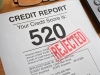
    Will Bad Credit Disqualify You From Police?

    When it comes to law enforcement, aspiring police officers often find themselves navigating a complex web of eligibility criteria. One persistent question that surfaces time and again is whether bad credit can serve as a disqualifying factor. In this article, we will explore the nuances of this issue, shedding light on the relationship between credit history and police officer eligibility. Will bad credit disqualify you from being a police officer? The offices of Robert B. Kronenberg explain more below. 

    Does Bad Credit Show Up on a Background Check?

    Police departments have a responsibility to uphold public trust and maintain the highest standards of integrity among their ranks. As a result, they carefully evaluate the character and background of potential recruits. One element that comes under scrutiny is an individual’s credit history. However, this does not show up in what is known as a “background check.” Most background checks for employment do not seek credit information, but rather, criminal history. They are typically looking for whether you are dangerous to employ. 

    However, the NYPD may choose to look deeper into a candidate’s history after the first background check. This means that they will begin to uncover more information about a candidate that could result in character disqualifiers.

    Will I Get Hired if I Have Bad Credit?

    The rationale behind assessing creditworthiness lies in the belief that financial stability can be indicative of an individual’s responsibility, reliability, and overall trustworthiness. However, it is crucial to recognize that having a less-than-stellar credit score does not automatically render one unfit for a law enforcement career. Contrary to popular belief, having bad credit does not automatically disqualify someone from becoming a police officer.

    Law enforcement agencies typically conduct a holistic review of an applicant’s background, taking into account various factors, including criminal history, employment record, and financial stability. Aspiring police officers need to understand that a poor credit history is just one piece of the puzzle. Agencies are more concerned with patterns of behavior and underlying issues that may affect an individual’s ability to perform the duties of a law enforcement officer with integrity.

    What Do Police Look for in a Credit Check?

    When law enforcement agencies conduct a credit check as part of the background investigation process, they are primarily looking for indicators of financial responsibility and stability. While a less-than-perfect credit score is not an automatic disqualifier, certain patterns and red flags may give them pause.

    This includes:

    • Payment History: The timely payment of bills is a strong indicator of financial responsibility. On the flip side, a history of late payments, defaults, or accounts in collections may raise concerns.
    • Debt Levels: Excessive debt can be a cause for concern, as it may indicate financial strain and an increased risk of compromised judgment or susceptibility to external influences.
    • Bankruptcies and Foreclosures: While a past bankruptcy or foreclosure may not automatically disqualify an applicant, it is essential to provide context and demonstrate responsible financial behavior post-incident.
    • Consistency and Stability: Police departments seek candidates who demonstrate consistency and stability in their financial dealings. Frequent changes in addresses, employment, or banking institutions may be scrutinized.
    • Open Lines of Credit: The number and types of open credit accounts can provide insights into an individual’s financial management skills. Excessive credit card debt or a high number of outstanding loans may be cause for further examination.
    • Patterns of Behavior: Agencies are interested in identifying any patterns of financial irresponsibility, such as a history of borrowing without a clear repayment plan or a cycle of accumulating debt.

    More About Disqualification Appeals

    Disqualification Appeals is here to make sure that candidates for the NYPD who have gotten a disqualification from the police force have the best representation possible. Contact our police disqualification lawyer today to learn more about our medical disqualification appeals or psychological disqualification appeals. We look forward to assisting you today!

  • The NYPD Fraud Unit

    The NYPD Fraud Unit

    One of the most important steps in regaining financial security and supporting law enforcement efforts is navigating the fraud reporting procedure. The NYPD Fraud Unit is a devoted team focused on looking into and preventing dishonest financial activities in New York City. Knowing how to report fraud to the police in NYC is essential for starting this procedure.

    Our NYPD disqualification appeal lawyer will help you through the processes and make sure you supply the crucial data required for an exhaustive investigation. Each step is essential to pursuing justice and safeguarding your financial security, from identifying the closest precinct to gathering essential evidence.

    What Is the NYP Fraud Squad?

    The New York City Police Department’s Fraudulent Crimes Division, sometimes known as the NYPD Fraud Squad, is a specialist division of the NYPD tasked with identifying, preventing, and investigating various types of financial fraud and white-collar crimes in the city. Highly skilled investigators with knowledge of financial transactions, cybercrime, identity theft, and other dishonest behaviors make up this squad.

    Their main goal is to counteract criminal activity that involves deception, manipulation, and misrepresentation for financial benefit, going after both individuals and groups involved in shady business practices.

    The NYPD Fraud Unit is essential to protecting New York City residents’, companies’, and institutions’ financial interests. They deal with a variety of situations, including but not restricted to insurance fraud, embezzlement, Ponzi schemes, and credit card fraud.

    In order to find, detain, and punish people engaged in fraudulent operations, the detectives in this section frequently work in conjunction with other law enforcement agencies, financial institutions, and regulatory authorities. They also work to inform the public and businesses about typical fraud schemes and offer advice on how to avoid becoming a victim of such crimes.

    The NYPD Fraud Squad makes a substantial contribution to preserving the reliability and stability of the city’s financial system by accomplishing this.

    How Do I File a Police Report for Fraud in NYC?

    It’s essential to take prompt action to file a police report for fraud in New York City. You must report the incident accurately and provide the necessary information for the investigation. Find the NYPD precinct that is closest to your location to get started. Online searches and mapping tools can also be used to find this information.

    When you get to the precinct, talk to the front desk staff or an on-duty officer. Give them as many details about the situation as you can and let them know that you need to file a fraud report. Bring any pertinent paperwork, including bank records, invoices, and records of communications pertaining to the scam.

    Be explicit and succinct when reporting the fraud’s nature, including any relevant dates, dollar amounts, and any leads you may have. Make careful to include any relevant digital data or screenshots if the fraud involves internet activity. You will be guided through the procedure by the officer, but it’s crucial to ask for a copy of the report for your records.

    For any subsequent steps, such as challenging charges with your bank or coordinating with other pertinent entities, this paperwork will be essential. Keep an eye out for potential threats and offer law police your full cooperation at all times.

    The individuals tasked with helping those who have suffered some form of fraud must meet certain standards and guidelines in order to serve. We are proud to offer a variety of appeal types for those who need them, including medical disqualification appeals, character disqualification appeals, or psychological disqualification appeals. This gives our clients the best chance possible at achieving their goals.

    More About Disqualification Appeals

    Disqualification Appeals provides a tailored legal service dedicated to aiding clients in pursuing their desired careers in various professional domains. Whether your aspirations are focused on a particular division within the police department, or you aim to attain the salary of an NYPD detective, our team of legal specialists is committed to offering the assistance required in case you face any challenges on your journey towards a thriving career.

    Schedule an appointment with us today to learn more about how we can help you achieve your career goals in law enforcement.

    Related Readings

    About NYPD School Safety

    What Is the NYPD Collision Investigation Squad?